Your Questions, Answered
⸻
1. What is bariatric surgery?
Bariatric surgery refers to a range of surgical procedures that help people lose weight by altering the digestive system. These procedures work by restricting how much food you can eat, reducing nutrient absorption, or both. At Grandville Medical & Laser Group, we offer minimally invasive options like Gastric Sleeve, Gastric Bypass, Mini Gastric Bypass, and Intragastric Balloon.
⸻
2. How much weight can I expect to lose?
Most patients lose 50-80% of their excess body weight within the first 12-24 months after surgery. The exact amount depends on the type of surgery, adherence to dietary guidelines, and lifestyle changes. Long-term success relies on maintaining healthy habits.
⸻
3. Is bariatric surgery safe?
Yes, bariatric surgery is generally safe, especially when performed by experienced surgeons in accredited facilities like Grandville. However, like any surgical procedure, there are risks. Our team thoroughly evaluates each patient and minimizes risks with pre-operative planning and state-of-the-art surgical techniques.
⸻
4. Will I need to follow a special diet after surgery?
Yes. You’ll follow a structured diet plan that begins with liquids, progresses to pureed foods, then soft foods, and finally solid foods. Our dietitians will work closely with you to ensure proper nutrition, portion control, and long-term success.
⸻
5. How soon can I return to work or normal activities?
Most patients return to work and regular activities within 2-4 weeks, depending on the type of surgery and recovery process. We encourage light physical activity (like walking) as early as possible to promote healing.
⸻
6. Will I need to take vitamins or supplements after surgery?
Yes. After bariatric surgery, you may need lifelong supplementation of vitamins and minerals (such as Vitamin B12, Iron, Calcium, and Vitamin D) to prevent deficiencies. Our team will guide you on what to take and monitor your levels during follow-ups.
⸻
7. Can I become pregnant after bariatric surgery?
Yes. In fact, many women experience improved fertility after losing weight. However, we recommend waiting at least 12-18 months post-surgery before attempting pregnancy, as rapid weight loss during this period may affect fetal development. Our team provides guidance on family planning and maternal health.
⸻
8. Will my insurance cover bariatric surgery?
In Nigeria, most health insurance plans do not fully cover bariatric surgery, but we offer flexible payment plans at Grandville. Contact our office for more information about costs, payment options, and financing.
⸻
9. Will I have excess skin after losing weight?
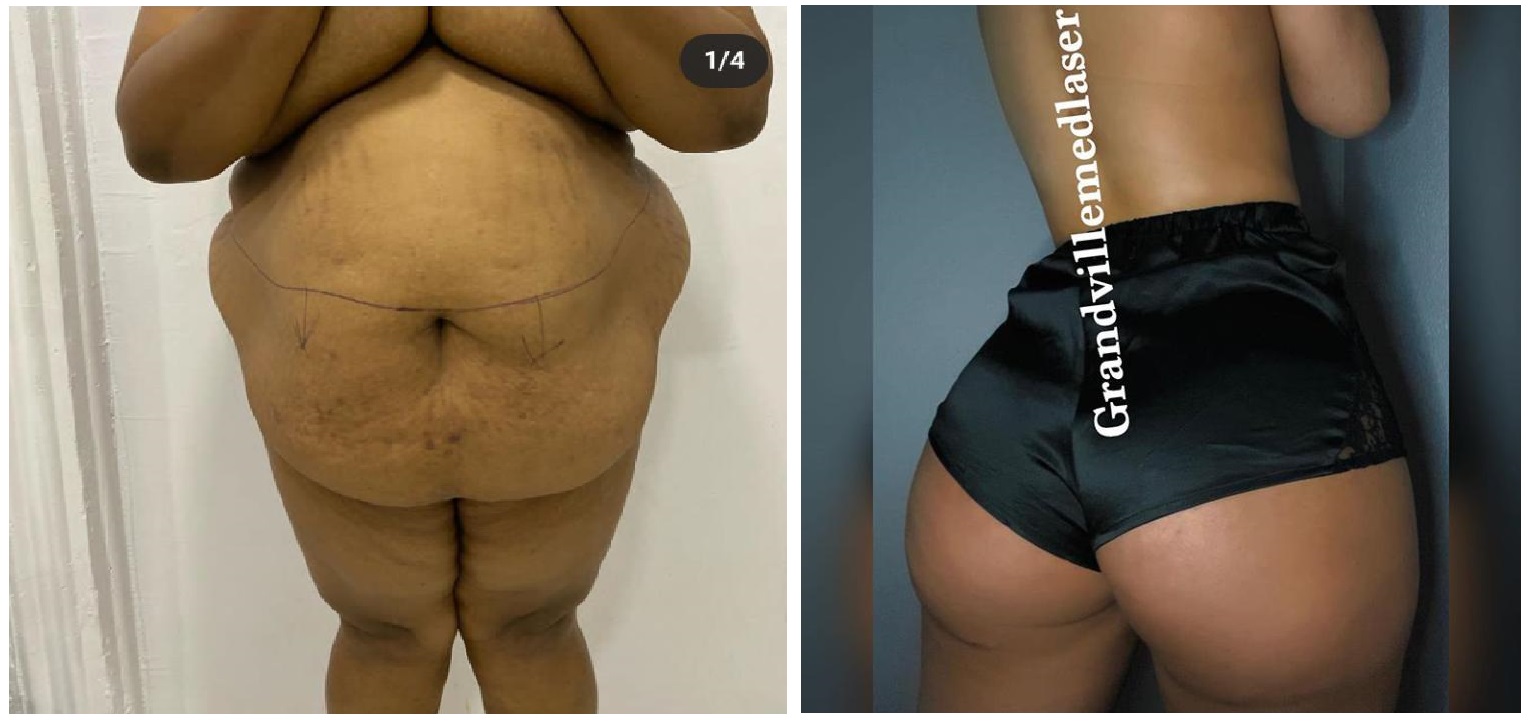
Significant weight loss may result in loose or excess skin, especially in areas like the abdomen, arms, and thighs. At Grandville, we offer body contouring and plastic surgery options such as tummy tucks and arm lifts to help you achieve your ideal body shape after weight loss.
⸻
10. What kind of support does Grandville offer after surgery?
We provide comprehensive post-operative care, including:
•Nutritional counseling
•Psychological support
•Support groups and peer mentoring
•Follow-up consultations with your surgeon and multidisciplinary team
Our goal is to support you not just during surgery, but for life.
⸻
Patient Testimonials
Real Stories. Real Transformations.
⸻
Testimonial 1: Amaka O. – Lost 58 kg with Gastric Sleeve Surgery
“Before my surgery at Grandville, I struggled with my weight for years. I was pre-diabetic, constantly tired, and felt like my life was on hold. Dr. Aranmolate and his team changed everything for me. The care I received was beyond professional—it was personal. Today, I’ve lost 58 kg, reversed my pre-diabetes, and I feel alive again. Grandville gave me my life back!”
⸻
Testimonial 2: Ahmed B. – Gastric Bypass Changed My Life
“I was skeptical at first, but after my first consultation, I knew I was in good hands. The doctors explained everything so well, and the surgery itself was smooth. Within six months, my sleep apnea was gone, and my blood pressure normalized. I’ve lost over 45 kg, and my energy levels are through the roof. Thank you, Grandville!”
⸻
Testimonial 3: Chinyere M. – Intragastric Balloon Success Story
“I wasn’t ready for surgery, so I opted for the balloon. I lost 30 kg over six months, and I finally have control over my eating habits. The dietitian and counseling support made a big difference. This was the best decision I’ve made for my health!”
⸻
Testimonial 4: Olumide A. – A New Beginning
“At 42, I was battling hypertension, joint pain, and depression because of my weight. Grandville’s team was amazing—they guided me through every step of my mini gastric bypass. I’ve lost 60 kg so far, and I feel like I’ve been given a second chance. My family is grateful, and so am I.”
⸻
Testimonial 5: Farida S. – Post-Bariatric Body Contouring
“After losing 70 kg with a sleeve gastrectomy, I had loose skin that made me self-conscious. Grandville’s plastic surgery team helped me with body contouring. Now, I finally look as good as I feel. I’m beyond thankful!”
⸻
Ready to Start Your Weight-Loss Journey?
Join hundreds of others who have transformed their lives with Grandville Medical & Laser Group.
Book your consultation today!
Lekki Clinic: 0817 153 0599
Surulere Clinic: 0816 454 8279, 0812 020 8868
Abuja Clinic: 0817 323 3025
Website: www.gml.com.ng

Recent Comments